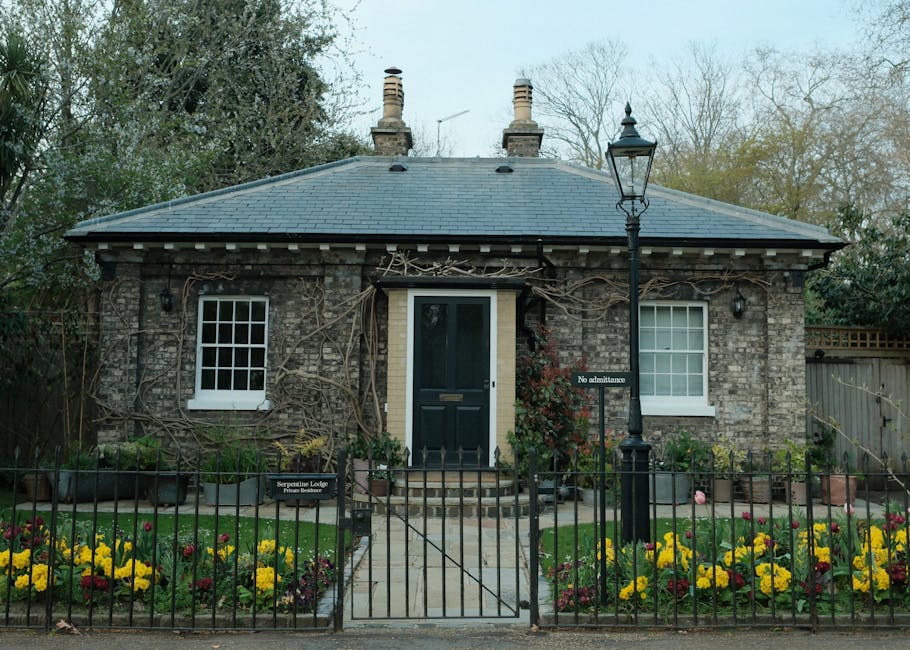
Carshalton Village gardeners local guide to small front yards
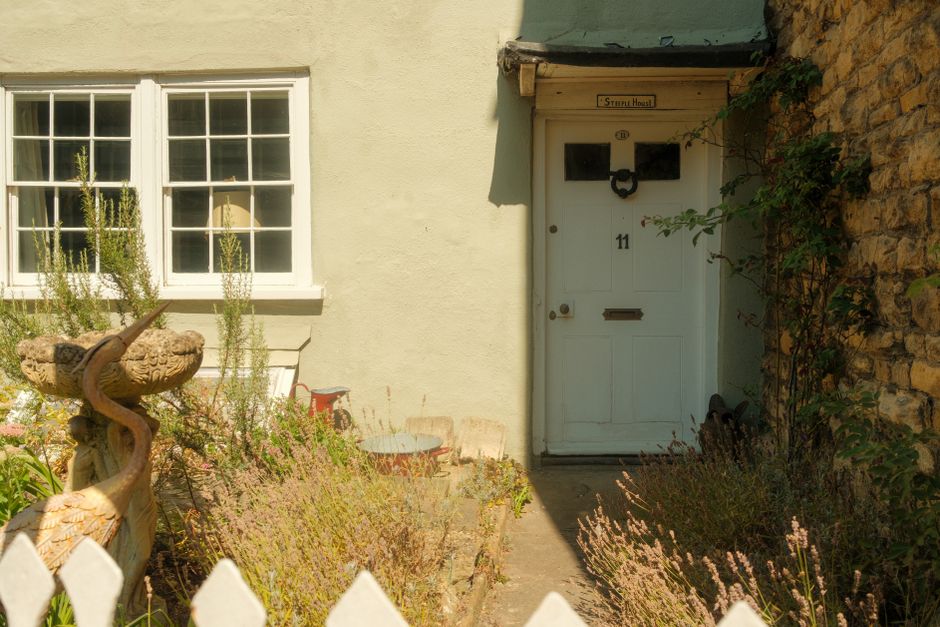
If you live in Carshalton Village, you already know the front of the house does a lot of heavy lifting. It is the first thing you see when you come home, the first thing visitors notice, and in a small space, every plant, path and border really has to earn its keep. This Carshalton Village gardeners local guide to small front yards is for anyone who wants a neat, welcoming entrance without turning a modest plot into a maintenance headache.
Small front yards can look polished, spacious and full of character when they are planned properly. The trick is not cramming more in. It is choosing the right structure, the right planting, and the right level of upkeep for a front garden that has to work in real life. A good design should feel calm, practical and easy to keep looking tidy on a rainy Tuesday, not just on the day it is finished.
In the sections below, you will find local-friendly advice on layout, planting, low-maintenance choices, common mistakes, and the practical steps Carshalton Village gardeners use to make small front yards look better fast. We will also cover realistic best practice, what to think about before you start, and a few comparisons to help you decide what suits your space.
- Quick takeaway: small front yards do best with simple structure, restrained planting, and a clear maintenance plan.
- Best result: a front garden that feels open, welcoming and easy to manage year-round.
- Most common mistake: filling every gap and making the space look smaller than it is. Happens all the time, honestly.
Why Carshalton Village gardeners local guide to small front yards Matters
Front gardens in Carshalton Village often have to balance charm with restraint. You may be dealing with a narrow strip of soil, a short driveway, a small walled frontage, or a path that leaves very little planting room. That means the wrong decision shows quickly. A bulky shrub can swallow the space. A complicated border can become weedy and messy. A poor layout can make the whole frontage feel cramped, even if the house itself is lovely.
This matters because the front yard is not just decorative. It affects how the home feels day to day. It also shapes what people experience before they even step inside. A well-kept, well-planned front space can make a house feel more cared for, more open, and more settled. In a village setting where neighbours notice the little details, that counts for a lot.
There is also a practical side. Small front yards need a strategy that suits the amount of time you actually have. If you work long hours, travel often, or simply do not want a fiddly garden to maintain, the design has to reflect that. To be fair, most people want beauty without being tied to the border every weekend. Fair enough.
A local guide is useful because Carshalton Village has its own feel: mature streets, mixed property styles, pockets of shade, and a weather pattern that is very familiar to anyone who has watched a front path go slippery after a damp spell. What works in a bigger suburban plot may not work here. Smaller spaces need stronger decisions and a lighter touch.
How Carshalton Village gardeners local guide to small front yards Works
The basic process is simple, but the thinking behind it matters. Good small-front-yard gardening starts with understanding the space as a whole rather than treating it like a list of separate features. Path, wall, planting, bins, lighting, driveway, front door sightline - they all influence one another.
In practical terms, the work usually follows a pattern:
- Measure the usable space. Not just the overall frontage, but the parts you can realistically plant, walk through, or maintain without hassle.
- Identify the fixed elements. Things like fences, brick walls, steps, drives, drains and gates set the boundaries.
- Check light and drainage. A south-facing yard behaves differently from a shady one under a tree canopy or beside a tall hedge.
- Decide the job of the garden. Do you want privacy, colour, a neat frame for the house, or low maintenance? Usually it is a mix, but one goal should lead.
- Choose a simple structure. In small spaces, structure beats clutter almost every time.
- Select plants that match the conditions. The best-looking plant is useless if it sulks in the wrong soil or becomes too wide for the bed.
- Plan maintenance from the start. If you will not prune it, deadhead it or clear leaves from it, do not make it central to the design.
The hidden part of the job is restraint. Small front yards are not miniature big gardens. They need proportion. That means fewer plant types, fewer competing shapes, and more repetition. Repetition sounds dull on paper, but outside it creates calm. And calm makes a small space feel larger.
One useful rule of thumb: if you can see most of the front garden from the pavement, the design needs to read clearly from a distance. Fine detail matters less than overall shape. That is where many DIY front gardens go wrong. Too many little things, not enough strong structure.
Key Benefits and Practical Advantages
A thoughtfully designed front yard offers benefits that go beyond appearance. Some are obvious; others only become clear once you live with the space for a while.
- Better kerb appeal: a tidy, balanced frontage lifts the look of the whole property.
- Lower maintenance: the right layout can reduce mowing, edging and constant replanting.
- More usable space: careful design makes a small area feel less cramped and more intentional.
- Improved safety: clearer paths, better visibility and less clutter make the entrance easier to use.
- More privacy: modest screening can soften views without making the home feel shut in.
- Seasonal interest: good planting gives you something worth looking at in every season, not just summer.
There is also a mood benefit that people underestimate. A front garden that looks neat at 8am, when you are rushing out with keys in one hand and a coffee in the other, can change how the whole day starts. It sounds small. It is not small, really.
From a property point of view, a pleasant frontage can improve first impressions for visitors and prospective buyers. You do not need an elaborate design to achieve that. In many cases, simple and well-kept beats ambitious and overcomplicated.
| Approach | What it does well | What to watch out for | Best for |
|---|---|---|---|
| Simple, structured planting | Looks clean, feels spacious, easy to maintain | Can look plain if plant choice is too limited | Busy households and small plots |
| Mixed ornamental planting | Adds colour, texture and seasonal interest | May need more pruning and planning | Owners who enjoy gardening a little more |
| Low-maintenance hard landscaping | Reduces upkeep and keeps the frontage tidy | Can feel sparse if overused | Very small or awkward front yards |
| Privacy-led design | Softens views from street and neighbours | Can block light or make the garden feel enclosed | Homes needing a little screening |
Who This Is For and When It Makes Sense
This kind of local front garden guidance is especially useful if your space is modest, visible, or awkwardly shaped. In Carshalton Village, that often means terraced homes, semis with narrow front strips, or properties where the front is more about presentation than play space.
You will probably benefit from this approach if you are:
- a homeowner wanting a smarter entrance without a full overhaul
- a landlord looking to keep the property looking cared for between tenancies
- someone with limited time who wants a neat, low-fuss garden
- new to the area and trying to make the front of the house feel more settled
- dealing with an overgrown frontage that has started to feel smaller than it is
It also makes sense if your current front yard feels awkward to use. Maybe the path is too narrow. Maybe the planting is patchy. Maybe a hedge has grown just a bit too enthusiastic and now eats the light. Happens more than you'd think.
On the other hand, if you already have a well-balanced front garden and only need routine upkeep, you may not need a redesign at all. A lighter maintenance plan, plus targeted improvements, may be enough. That is often the smarter move.
Step-by-Step Guidance
If you want a small front yard to look good and stay manageable, a step-by-step approach is the safest way to do it. Big transformations can look exciting, but small spaces reward calm planning.
1. Stand back and look at the frontage as a whole
View the garden from the pavement, from the front door, and from inside the house. Notice what your eye goes to first. Is it a nice tree? A bin? A messy border? A cracked edge? That first impression usually tells you what needs attention before anything else.
2. Decide the main purpose
Ask yourself what the garden should do. Do you want a welcoming frame for the house? Better privacy? A little greenery with almost no upkeep? More wildlife value? You can have several aims, but one should lead. Without that, design choices start drifting everywhere.
3. Clear away visual noise
In small front yards, clutter is surprisingly destructive. Old pots, worn edging, damaged canes, random surplus plants, and too many loose decorative bits can make a tidy garden feel chaotic. A clean slate helps you see the real shape of the space.
4. Keep the structure simple
Use one or two strong structural elements rather than lots of tiny ones. That might mean a crisp low hedge, a small tree, a clear border line, or a repeated planting pattern. Good structure gives the eye somewhere to rest.
5. Pick plants by conditions, not just looks
Choose plants that suit sun, shade, soil and available space. In a front yard, mature size matters as much as flower colour. If a shrub grows wider than the border, it will soon dominate the path. That's the sort of thing people forget on day one and then spend years pruning back.
6. Leave room for access and maintenance
You need space to get to the front door, take bins in and out, and cut back plants without scraping your sleeves on thorny stems. A beautiful design that blocks access is not really working.
7. Finish with clean edges and a simple upkeep plan
The last 10% matters more than people think. Sharp edging, swept paths, trimmed plants and a clear schedule for watering, pruning and weeding make the whole thing feel done. Not overdone. Just done properly.
Expert summary: the best small front yards are usually the least busy. A few well-chosen features, repeated with confidence, almost always beat a crowded mix of "nice ideas" competing for attention.
Expert Tips for Better Results
Local gardeners who work on compact front plots tend to lean on a few practical habits. These are the kind of details that make a garden look polished without looking fussy.
- Repeat shapes and plants. Repetition creates order. If one side has a clipped shrub, the other side should not suddenly become a riot of mixed annuals unless the whole design is built around that contrast.
- Use height carefully. A little vertical interest helps, but too much makes a small frontage feel boxed in. Think slim, not bulky.
- Prefer evergreen structure. Evergreen planting keeps the space from looking bare in winter, which matters more than many people realise.
- Keep paths visually clear. A clean, obvious route to the door makes the whole frontage feel calmer.
- Think in layers. Low edging, medium planting, and one taller feature can work well if each layer has a clear job.
- Plan for the ugly months. Late autumn and winter are when weak design gets exposed. If it still looks decent then, you've probably got it right.
One small but useful trick: use one repeated material or colour family, whether in pots, edging, gravel or planting. It stops the eye from bouncing around. The front of the house feels more composed immediately.
Another good practice is to keep the "furniture" of the garden minimal. One bench can be lovely. Three bits of furniture in a tiny front plot, less so. Let's not pretend that every decorative item deserves a permanent home.
Common Mistakes to Avoid
Small front yards forgive very little. A few wrong choices can make the whole thing feel tighter, messier or more awkward to use than before.
- Overplanting: too many plants make the yard feel busy and smaller than it is.
- Ignoring mature size: plants may look fine in the pot but can quickly overpower a tiny border.
- Choosing high-maintenance favourites: beautiful plants are not always practical for a front garden you need to keep tidy.
- Blocking the view: screening can be helpful, but too much hides the house and makes the frontage feel closed in.
- Leaving weak edges and finishes: untidy borders, uneven lines and shabby pots stand out more in a small space.
- Mixing too many styles: cottage, formal, tropical and minimalist all at once usually ends in visual muddle.
A common local issue is trying to "make up for" a small yard by adding more detail. In truth, detail has a limit. After a point it just reads as clutter. If you are unsure, strip it back, then look again the next day. The next day test is underrated.
Another mistake is forgetting how the front garden looks from indoors. If the view from the hallway or living room is messy, you will notice that every single day. That is worth solving, even if the issue is only one odd shrub or an unhelpful line of pots.
Tools, Resources and Recommendations
You do not need a warehouse full of equipment to maintain a small front yard properly. In fact, too many tools can become part of the clutter problem. A modest kit, used regularly, usually gives the best result.
- Hand trowel and border fork: useful for planting, weeding and general soil work in tight spaces.
- Bypass secateurs: better for clean cuts on living stems and small shrubs.
- Shears or small trimmer: handy for keeping hedges and mounded plants neat.
- Gloves with grip: surprisingly important if you are handling thorny or prickly planting near paths.
- Watering can or hose with control: especially useful for new planting during dry spells.
- Leaf rake or hand broom: ideal for keeping the front path and borders tidy after windy weather.
For larger tasks, some people find it easier to bring in professional help for specific jobs rather than trying to do everything at once. If your front yard needs regular upkeep, you may want to look at garden maintenance support or a more targeted service such as hedge trimming when boundaries and screening need sharpening up.
If the space has become crowded or neglected, a reset can be the smartest first move. In those cases, garden clearance can make room for a cleaner, more workable design before you start planting again.
And if you are considering a broader change to the front of the property, landscape gardening or wider landscaping may be the better route than piecemeal fixes.
Law, Compliance, Standards, or Best Practice
For most small front yards, there is no dramatic legal drama to worry about. Still, there are sensible best practices to keep in mind, especially if the garden borders a pavement, shared access, or a property boundary.
If you are altering hard landscaping, removing trees, or making significant changes near boundaries, it is wise to check ownership and any relevant permissions before you start. In some cases, tree work or boundary changes may involve local rules, and it is better to pause and confirm than to fix a problem later. That is just good practice, really.
Safety matters too. Paths should remain clear, trip hazards should be dealt with, and any loose edging or unstable paving should be corrected. If you are hiring someone to do the work, ask about insurance, safe work methods and how waste is handled. A reputable contractor should be able to discuss these things without sounding vague. If they can't, that is a small warning flag.
For upkeep, many homeowners also prefer to follow a simple standard: keep the frontage tidy, avoid obstruction, and do not let planting encroach onto public paths or neighbour access. It is basic, but important. The neatest front garden in the street is still not a good result if it makes it hard for someone to pass safely.
If sustainability matters to you, think about reuse and waste handling as part of the job. Choosing compostable green waste routes, reusing sound materials, and selecting plants that suit the site all help reduce unnecessary waste. You can also read more about our approach to recycling and sustainability if that is part of your decision-making.
For service standards, it is also sensible to check practical policies around safety and customer care before booking any work. Information about health and safety, insurance and safety, and payment and security can give you a clearer sense of what to expect.
Options, Methods, or Comparison Table
If you are deciding how to improve a small front yard, it helps to compare the main approaches side by side. What works best depends on how much time, interest and budget you have, and how much change you actually want.
| Method | Best for | Typical upkeep | Practical note |
|---|---|---|---|
| Simple planting refresh | Spaces that already have decent structure | Low to moderate | Good when the layout is fine but the planting feels tired |
| Full front garden redesign | Awkward, overgrown or badly laid out plots | Depends on design | Best when the current layout fights the space |
| Front yard tidy-up only | Homes needing a quick visual improvement | Low | Works if the main issue is mess rather than design |
| Low-maintenance hard landscaping | Very small or busy households | Very low to moderate | Needs good taste, or it can look too bare |
| Privacy-led planting | Homes facing the street closely | Moderate | Useful, but keep sightlines open enough for the house to breathe |
If you are unsure which route to choose, ask a simple question: what is the main problem right now? If it is visual clutter, a tidy-up may be enough. If it is a bad layout, you may need redesign. If the issue is just that nothing ties the space together, a few strong planting choices may solve it faster than you expect.
Case Study or Real-World Example
Here is a realistic example of how a small front yard can be improved without making it complicated.
A modest terraced home in Carshalton Village had a narrow front strip with patchy lawn, one tired shrub, a slightly crooked path edge and a couple of random pots that had clearly grown there by accident rather than design. The front of the house was not ugly, exactly. It just looked unfinished. A bit forgotten.
The aim was simple: make it feel neat, open and welcoming, while keeping maintenance low. The solution was not a full garden makeover. That would have been overkill.
Instead, the space was reduced to a cleaner structure with a clear border line, a small number of evergreen plants for year-round shape, and one repeated planting group for consistency. The overgrown shrub was removed because it was taking too much width. The path edge was sharpened. The random pots were pared back to one pair that matched the frontage. Small details, but they changed the feel straight away.
By the time everything settled in, the garden looked more spacious. Not bigger, just more spacious. And that is the point. The house sat better in its space, and the front door became the obvious focal point rather than the weeds and clutter. A simple result, but a good one.
That sort of improvement is often the sweet spot for small front yards: not dramatic, not fussy, just clearly better. And it tends to stay looking better too, which is half the battle.
Practical Checklist
Use this checklist if you are planning a small front yard refresh and want to stay focused.
- Measure the space and note the parts you can realistically use
- Check light levels, soil condition and drainage
- Decide whether the main goal is neatness, privacy, colour or low maintenance
- Remove clutter, dead material and surplus pots
- Choose a simple structure that suits the house
- Select plants that will not outgrow the space too quickly
- Keep access to the front door and bins easy
- Use repetition to create calm and consistency
- Leave room for future maintenance work
- Finish with clean edges and a tidy path
- Set a realistic upkeep routine you can actually stick to
Final check: if the front garden still feels busy after you have finished planning, remove one thing rather than adding another. That small habit saves a lot of regret later on.
Conclusion
Small front yards in Carshalton Village do not need to be complicated to work well. In fact, they are usually at their best when the design is clear, the planting is restrained, and the maintenance feels manageable rather than heroic. That is the real goal: a front garden that looks good in the real world, not only in a before-and-after photo.
If you focus on structure, proportion and practicality, even the most modest frontage can feel brighter, neater and more welcoming. And once it is set up properly, it tends to make daily life feel just that bit easier. You come home, glance at the front path, and everything looks in order. Nice feeling, that.
If you want help turning a small front yard into something smart, low-fuss and well balanced, the next step is simply to assess the space honestly and decide whether it needs maintenance, clearance or a more considered redesign. No rush. The best results usually come from steady, sensible choices.
Get a free quote today and see how much you can save.
Frequently Asked Questions
What makes a small front yard work well in Carshalton Village?
A good small front yard usually has a clear structure, a limited number of plant types, and a layout that leaves enough room for access and upkeep. It should look intentional, not crowded.
Are low-maintenance front gardens a good idea?
Yes, especially if you want the frontage to stay neat without constant attention. The key is choosing plants and materials that fit the site, rather than just picking the easiest-looking option.
How do I make a small front garden look bigger?
Keep the design simple, repeat a few elements, avoid overcrowding, and maintain clear sightlines to the house. A tidy, open layout usually feels larger than a busy one.
What plants are best for a narrow front yard?
Plants that stay compact, hold their shape well, and suit your light conditions are usually best. Evergreen structure is useful, with seasonal colour added carefully so the garden does not feel bare.
Should I use gravel, paving or planting in a small front yard?
It depends on how much maintenance you want and how much green space you still want to keep. Gravel and paving reduce upkeep, while planting adds softness and character. Many good designs use a mix.
How often should a small front garden be maintained?
Light, regular upkeep is usually better than occasional big jobs. A quick weekly tidy and a slightly deeper check every few weeks often keeps things under control.
Can a small front yard still have privacy?
Yes, but privacy should be gentle. Low hedges, slim screening plants or carefully placed shrubs can soften views without making the home feel closed off.
What is the biggest mistake people make with small front gardens?
Overfilling the space. Too many plants, too many features and too many different styles make a small yard feel tighter and more chaotic than it needs to be.
Do I need professional help for a front yard refresh?
Not always. If the job is mainly tidying and replanting, you may manage it yourself. If the space needs clearance, redesign or structural changes, professional help can save time and reduce costly mistakes.
How do I know whether to redesign or just tidy up?
If the layout already works and the garden is simply tired, a tidy-up and selective planting may be enough. If access, shape or proportion are wrong, a redesign is usually the better choice.
Are front garden changes likely to need permissions?
Minor planting changes usually do not raise issues, but larger alterations, tree work or boundary changes may involve checks. It is always sensible to confirm before making significant changes.
Where can I find help with ongoing front garden maintenance?
For regular upkeep, look at services such as garden maintenance and, if needed, more specific support like lawn mowing or tree lopping and removal for larger or more technical jobs.
What if my front yard is very overgrown or neglected?
Start with clearance rather than planting. Once the space is opened up, you can see the real structure and make better decisions about what to keep, trim or remove.
Where can I learn more about the company and services?
You can review the services overview or visit the about us page to get a better sense of the team and approach.
How do I ask for pricing for a front yard project?
If you are ready to compare options, a good place to start is the pricing and quotes page. Clear photos and a short description of the space usually help get a more useful response.
And if you are still weighing up your options, that is completely normal. Small front yards can be transformed in modest, sensible ways, and the right choice is usually the one that fits your home, your time and your budget. A well-kept entrance has a quiet kind of charm, and it lasts.