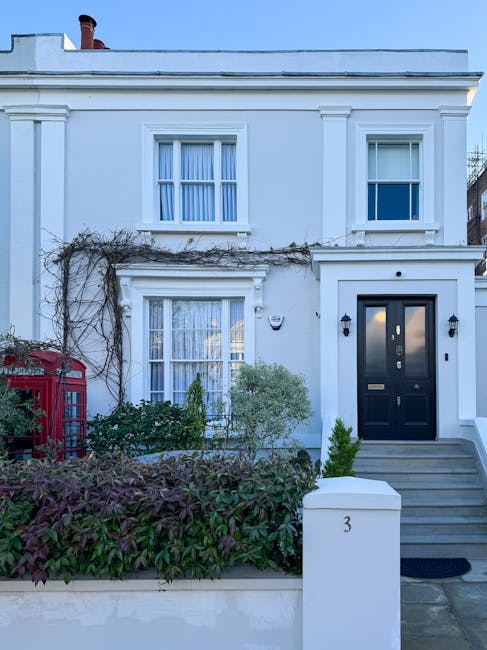
Carshalton Business Gardening Services: Office and Retail Care That Keeps Premises Looking Sharp
If you manage an office, shop, showroom, parade, or mixed-use site in Carshalton, you already know the truth: the outside of a building quietly does half the selling for you. Neat planting, trimmed hedges, tidy paths, and a well-kept lawn make a place feel cared for before anyone even reaches the door. That is exactly where Carshalton business gardening services office and retail care comes in.
This kind of service is about more than grass cutting. It is about keeping commercial outdoor spaces safe, presentable, and easy to maintain week after week. Done properly, it supports customer confidence, staff wellbeing, and the overall impression of your brand. Done badly, it becomes one more thing you have to chase. And let's face it, nobody in operations needs another headache.
In this guide, we will walk through how commercial garden care works, who needs it, what to look for, where the common pitfalls are, and how to choose the right mix of maintenance, clearance, and landscaping support for offices and retail sites in Carshalton.
Table of Contents
- Why Carshalton business gardening services office and retail care Matters
- How Carshalton business gardening services office and retail care Works
- Key Benefits and Practical Advantages
- Who This Is For and When It Makes Sense
- Step-by-Step Guidance
- Expert Tips for Better Results
- Common Mistakes to Avoid
- Tools, Resources and Recommendations
- Law, Compliance, Standards, or Best Practice
- Options, Methods, or Comparison Table
- Case Study or Real-World Example
- Practical Checklist
- Conclusion
- Frequently Asked Questions
Why Carshalton business gardening services office and retail care Matters
Commercial outdoor areas are not just decorative. They are part of how people experience your business. A customer walking past a retail unit with overgrown borders, litter trapped in planting beds, or patchy grass may quietly decide the business feels neglected. A visitor arriving at an office with clean edging, healthy planting, and clear access paths feels the opposite. That first impression carries real weight.
For office sites, garden care can also affect staff morale. A small seating area, a tidy entrance, or even a few well-maintained shrubs can make breaks feel less like a quick escape to a car park and more like a proper pause. Small thing? Maybe. But small things add up. In darker months, especially, a tidy exterior can make a space feel safer and more welcoming.
Retail spaces have a different pressure. Footfall is higher, people are moving quickly, and the frontage needs to stay visually clean despite daily wear and tear. If your outside space looks scruffy by Monday morning after a weekend of wind and rain, you need a maintenance plan that works in the real world, not just on paper.
There is also the practical side. Overgrown plants can block sightlines, create trip hazards, attract unwanted debris, and make routine cleaning harder. A good commercial gardening schedule reduces all of that before it becomes expensive. In our experience, prevention is almost always easier than a one-off rescue job after things have got out of hand.
If you are looking for a broader view of what can be included, the services overview is a useful place to see how garden care, clearance, mowing, hedge work, and landscaping fit together.
How Carshalton business gardening services office and retail care Works
Commercial garden care usually starts with a site assessment. That means looking at the layout, plant types, access points, seasonal pressure, and the level of upkeep the property actually needs. A small office courtyard and a high-visibility retail frontage need very different schedules, even if the same team maintains both.
From there, the work is often split into recurring tasks and occasional tasks. Recurring tasks might include mowing, edging, pruning, weeding, and litter collection. Occasional tasks might include hedge reduction, clearance after stormy weather, replanting, or light landscaping improvements. The best arrangements are simple, predictable, and flexible enough to cope with weather or seasonal growth spurts. Because, well, British weather does not always read the plan.
For many premises, a regular maintenance pattern is the backbone of the service. That is where something like garden maintenance becomes central, especially when the goal is to keep a site presentable without constant callouts. For frontages that rely heavily on clean lines and low clutter, services such as lawn mowing and hedge trimming can make a noticeable difference.
If the site has built-up debris, seasonal waste, or old planters that need removing, garden clearance may be the sensible first step before routine care can even begin. That is often the hidden part of the job. People see the tidy end result, not the van load of brambles, broken pots, and forgotten clippings that had to go first.
When the outdoor area needs more than maintenance, commercial clients may also combine upkeep with improvement work. That can include landscape gardening or broader landscaping to improve flow, planting structure, or customer approach routes. For premises with timber features, external seating, or display spaces, decking services can also be part of a smarter frontage plan.
Key Benefits and Practical Advantages
The obvious benefit is appearance, but there is more going on than curb appeal. Good commercial garden care helps your site work better in everyday use.
- Stronger first impressions: a neat frontage signals attention to detail and professionalism.
- Lower day-to-day risk: regular trimming and clearing reduce trip hazards, blocked walkways, and obstructed visibility.
- Less reactive spending: keeping growth under control usually costs less than tackling an overgrown site later.
- Better staff experience: tidy outdoor spaces can make breaks, arrivals, and exits feel calmer.
- Consistent branding: a polished exterior supports the same standard your customers expect inside.
- Seasonal resilience: planted areas, lawns, and edges cope better when maintained regularly rather than left to drift.
There is also a subtler advantage. A well-kept exterior can make a business feel open and reliable even during quiet periods. That matters for retail units especially, where people are often making a snap judgment in seconds. You do not want the garden telling the wrong story.
Another practical point: regular care makes issues easier to spot early. A patch of dieback, a damaged fence line, poor drainage, or a tree that is leaning a little more than last week becomes noticeable before it turns into a bigger job. If trees are part of the site, it is worth considering professional tree lopping and removal where appropriate and safe.
Who This Is For and When It Makes Sense
This service is a strong fit for a wide range of commercial premises in and around Carshalton:
- offices with entrances, courtyards, or small green areas
- shops and retail units with front beds, planters, or shared walkways
- business parks and managed commercial estates
- restaurants, salons, clinics, and showrooms with customer-facing outdoor space
- mixed-use buildings where communal grounds need to stay tidy
It also makes sense if you are dealing with one of these situations:
- the site looks fine in winter but gets messy very quickly from spring onward
- staff are doing ad hoc tidying and it is wasting time
- you have had customer complaints about untidy entrances or overgrown hedging
- the grounds need periodic clearance rather than constant redesign
- you need a reliable local team who can work around business hours
For some businesses, the main need is simple upkeep. For others, there is a one-off reset followed by ongoing care. Truth be told, plenty of commercial sites start with a "we'll just see how it goes" approach and then realise the weeds do not really respect that strategy.
Step-by-Step Guidance
Here is a practical way to approach office and retail garden care without overcomplicating it.
- Walk the site properly. Look at entrances, side access, parking edges, bin areas, planting beds, and any spots where litter gathers.
- Separate urgent work from routine work. A blocked path or badly overgrown hedge needs attention before cosmetic improvements.
- Decide the level of service. Some sites need weekly care, others need fortnightly or monthly visits. A few only need seasonal support.
- Choose the right mix of tasks. Mowing, pruning, clearance, edging, and planting all serve different purposes.
- Set access and timing rules. Commercial sites often work best with early-morning, off-peak, or agreed quiet-time visits.
- Define what "done" looks like. Be clear about whether the job includes litter pick-up, green waste removal, or light weeding.
- Review after the first few visits. If growth is heavier than expected, or the frontage is more visible than planned, adjust the schedule.
A good provider will help you shape the schedule rather than pushing a one-size-fits-all package. That is usually the difference between a service that feels useful and one that feels like paperwork with a lawnmower attached.
If your site has become cluttered or neglected, start with a reset. A proper clearance often makes the rest of the maintenance easier and cheaper. Then build in routine care before things slide back.
Expert Tips for Better Results
1. Keep the schedule tied to growth, not just the calendar. Spring and early summer often demand more frequent visits than a cold, slow month. If the grass and hedges are racing ahead, the plan should adapt.
2. Treat entrances separately from hidden areas. The customer-facing front needs a higher presentation standard than the back service strip. That does not mean ignoring the back. It just means prioritising where people look first.
3. Use planting with restraint. For commercial sites, low-maintenance planting often works better than delicate arrangements that need constant attention. Simple, robust, and tidy usually wins.
4. Make waste removal part of the conversation. Clippings, branches, and clearance material can pile up quickly. If it is not built in from the start, the site can look half-finished even after a good visit.
5. Be realistic about access. Shared walkways, parking bays, loading times, and security procedures can all affect the work. The more your contractor understands the site, the smoother the result.
6. Think about customer flow. A bush that looks fine from the road may still block sightlines or make the entrance feel cramped. Step back and view the space as a visitor would. Honestly, that one habit catches more issues than people expect.
If you are improving a tired frontage, combining maintenance with targeted landscaping can create a much better long-term outcome than repeated quick fixes.
Common Mistakes to Avoid
Commercial garden care goes wrong in fairly predictable ways. The good news is that most of them are avoidable.
- Waiting too long between visits: once growth gets away from you, the work becomes heavier and more disruptive.
- Choosing price only: the cheapest quote can look fine until the site starts needing extra callouts or poor-quality work gets repeated.
- Ignoring access and safety: a tidy site is no use if the contractor cannot work safely or without disrupting customers.
- Mixing up clearance and maintenance: a site with deep debris, overgrowth, or old waste needs clearance first, not just mowing.
- Forgetting seasonal changes: hedges, weeds, and grass do not all behave the same way all year.
- Not defining responsibilities: if nobody has agreed who handles waste, edging, or reporting issues, small problems linger.
One very common mistake is assuming the job is only about looking good today. Commercial grounds should also be easier to manage next month. That forward view saves time, and usually money too.
Tools, Resources and Recommendations
You do not need to become a gardener to manage commercial grounds well, but it helps to understand the basic toolset and how it shapes the result.
| Task | Typical tools or methods | Why it matters for offices and retail sites |
|---|---|---|
| Mowing and edging | Commercial mower, trimmer, edging tools | Creates a clean, finished look around entrances, borders, and grassed areas |
| Hedge and shrub care | Secateurs, hedge trimmers, pruning tools | Controls shape, preserves sightlines, and keeps the frontage tidy |
| Clearance | Manual loading, waste bags, transport for green waste | Removes overgrowth, debris, and old material that distract from the site |
| Landscape improvement | Planting plans, soil preparation, hard and soft landscaping methods | Helps a business create a frontage that looks intentional rather than improvised |
| Tree work | Specialist pruning or removal equipment | Handles larger safety or clearance issues properly and with more control |
For businesses that want a more structured starting point, a service hub like services overview can help you map the right combination of work without over-ordering unnecessary extras.
It is also worth asking about sustainable practices, especially where waste removal and material reuse are concerned. A thoughtful approach to recycling and green waste can reduce needless landfill and keep the site cleaner between visits. You can explore more on recycling and sustainability.
On the admin side, commercial clients often appreciate clarity around invoices, payment methods, and scheduling. Having that sorted early avoids awkward chasing later. A proper payment and security policy is one of those boring-but-valuable things that keeps everyone calmer.
Law, Compliance, Standards, or Best Practice
Commercial garden care in the UK needs to be approached with sensible care around access, waste, and safety. Exact requirements vary by site, and they may depend on the type of work, the property layout, and the contractor's methods. So, rather than overstate anything, the safe rule is this: make sure the work is carried out competently, risk is managed properly, and the site remains safe for staff, visitors, and contractors.
For businesses, that usually means checking a few practical points:
- the contractor has appropriate insurance for the work being carried out
- risk is considered when using machinery near entrances, walkways, and car parks
- waste is handled responsibly and removed in line with good practice
- tree work and larger pruning jobs are handled cautiously and by the right people
- any site-specific access rules are followed, especially in shared or occupied premises
It is also sensible to review relevant company policies before work begins. A provider should be able to explain its approach to health and safety, insurance and safety, and complaint handling if something needs to be put right. These details are not glamorous, no, but they are exactly what make a commercial service dependable.
If your business cares about inclusivity and site usability, it may also be useful to check accessibility considerations around paths, thresholds, and entry routes. For website and service transparency, many organisations also keep an accessibility statement and clear complaints procedure so customers know what to expect.
And if you want to understand how a provider presents itself more broadly, the about us page can be a helpful read before you commit. You are not just buying gardening, after all. You are choosing how your premises will be looked after.
Options, Methods, or Comparison Table
Not every business needs the same level of support. Here is a simple comparison of common approaches.
| Option | Best for | Strengths | Trade-offs |
|---|---|---|---|
| Basic maintenance only | Sites that are already in decent shape | Lower ongoing cost, straightforward scheduling | Does not solve deeper layout or overgrowth issues |
| Clearance plus maintenance | Neglected or cluttered outdoor spaces | Resets the site and makes future upkeep easier | More upfront work at the start |
| Maintenance with landscaping upgrades | Businesses improving presentation or customer flow | Better long-term appearance and function | Needs more planning and a clearer brief |
| Specialist tree or structural work | Sites with larger trees or heavy overgrowth | Solves safety and access issues properly | May need more coordination and care |
If you are unsure which route to choose, start with the least dramatic answer that still solves the real problem. A lot of businesses assume they need a complete redesign when, in practice, good maintenance and a targeted clearance would already make the place feel transformed.
Case Study or Real-World Example
Picture a small retail unit with a frontage that looked fine in summer but turned messy by mid-autumn. The grass edge had gone ragged, the hedge was beginning to spill into the path, and the side area had collected broken pots, leaves, and old planting debris. Staff were tidying bits of it when they could, but not regularly enough to keep it under control.
The first sensible move was not to start with fancy planting. It was to clear the site. After that, the team could see the shape of the space properly: where customers walked, where litter gathered, and which areas needed lower-maintenance planting. A regular maintenance schedule followed, with lawn care, trimming, and periodic checks for fast growth near sightlines.
What changed? Not just appearance. The space became easier to keep clean. Staff stopped doing odd five-minute garden jobs between customers. The frontage looked cared for by design rather than rescued in a hurry. That is the kind of shift commercial gardening should create. Quiet, practical, noticeable.
A similar pattern works for offices. If the front courtyard or entrance strip is overrun, a tidy reset plus a sensible schedule often delivers more value than a dramatic redesign. Sometimes the best improvement is simply making a space look like someone is in charge of it.
Practical Checklist
Use this before booking or reviewing commercial garden care for an office or retail site.
- Have you identified the most visible customer-facing areas?
- Do you know whether the site needs clearance, maintenance, or both?
- Are access times, security steps, and parking arrangements agreed?
- Is waste removal included or separately understood?
- Have you checked whether hedges, trees, or planting need specialist attention?
- Do you know how often the site should realistically be visited?
- Is the provider clear about health and safety and insurance?
- Have you asked how seasonal changes will affect the schedule?
- Are there any customer flow or accessibility issues to factor in?
- Do you have a named person internally who can approve changes or report issues?
Quick takeaway: the best commercial garden care is not the flashiest. It is the kind that makes the site look calm, clean, and easy to manage without demanding constant attention from your team.
Conclusion
Carshalton businesses do not need overcomplicated grounds care. They need outdoor spaces that stay neat, safe, and consistent with the quality of the business inside. That may mean regular mowing, hedge trimming, seasonal clearance, light landscaping, or a more structured maintenance plan. Often, it is a mix of all of them.
When commercial garden care is planned properly, it stops being a reactive chore and becomes part of how the business presents itself every day. That is good for customers, good for staff, and good for the people who no longer have to deal with an overgrown problem on a Monday morning. A small bit of order goes a long way.
Get a free quote today and see how much you can save.
If you are ready to improve the look and upkeep of your office or retail exterior, the next step is simple: review the site honestly, decide what needs attention first, and choose a team that understands commercial priorities. A well-kept outside space has a way of making everything else feel a little more under control, and that's no bad thing.
Frequently Asked Questions
What is commercial garden care for offices and retail sites?
It is the ongoing upkeep of outdoor business areas such as entrances, planters, lawns, hedges, courtyards, and shared access routes. The aim is to keep the premises tidy, safe, and visually professional.
How often should a business garden be maintained?
That depends on the site, the season, and how visible the frontage is. Some properties need weekly attention, while others only need fortnightly or monthly visits. Fast-growing hedges and lawns usually need more frequent care in spring and summer.
Do office and retail sites need different garden care plans?
Usually, yes. Retail spaces often need more emphasis on presentation and clear customer approach routes, while office sites may focus more on calm, low-maintenance surroundings and staff-use areas.
What if the outdoor area is badly overgrown?
A clearance visit is often the sensible first step. Once the space is cleared, maintenance becomes much easier and more affordable to manage.
Can garden care be done without disrupting customers?
In many cases, yes. Work can often be scheduled for quieter hours or arranged around business operations. Clear communication about access and timing is what makes this work smoothly.
Is landscaping worth it for a commercial property?
If the site has awkward flow, tired planting, or a frontage that does not reflect the business well, then targeted landscaping can be worthwhile. It should always be practical, not just decorative.
What commercial garden tasks are most commonly needed?
Lawn mowing, hedge trimming, weed control, clearance, edging, and general tidy-up work are among the most common. Some sites also need tree care or light landscaping improvements.
How do I choose between maintenance and clearance?
If the site is already in decent shape, maintenance may be enough. If it has built-up debris, heavy overgrowth, or neglected areas, start with clearance and then move to regular upkeep.
Should I ask about insurance and health and safety?
Absolutely. Any contractor working around entrances, car parks, staff, or customers should have sensible safety processes and appropriate insurance in place.
Can commercial garden care help with accessibility?
Yes. Clear paths, trimmed planting, and well-managed entrances can make access easier and safer for visitors and staff. It is a practical part of making the site easier to use.
What happens to the garden waste?
That should be agreed in advance. Good providers will explain how green waste and clearance material are handled, and whether removal is included in the service.
How do I know if my business premises need a professional service?
If staff keep finding themselves tidying outside, if customers comment on the frontage, or if growth keeps getting ahead of you, it is probably time. Honestly, if you are asking the question, there is usually already a case for it.